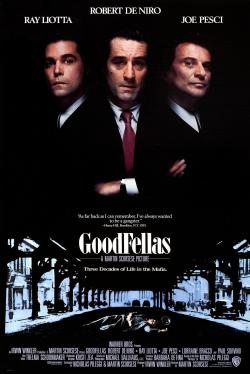
यह कहानी हेनरी हिल के अपनी पत्नी करेन हिल और उसके मॉब के साथी जिमी कॉनवे और टॉमी डेविटो के संबंधो को दर्शाती है.
More
8.7 /10
1374264 people rated
Goodfellas
1990
R
2 h 25 m
संयुक्त राज्य अमेरिका
Biography
अपराध
ड्रामा
यह कहानी हेनरी हिल के अपनी पत्नी करेन हिल और उसके मॉब के साथी जिमी कॉनवे और टॉमी डेविटो के संबंधो को दर्शाती है.
More
8.7 /10
1374264 people rated
ऑनलाइन देखें
ऐप में देखें
एपिसोड
शीर्ष कलाकार
उपयोगकर्ता समीक्षा
एपिसोड
शीर्ष कलाकार
उपयोगकर्ता समीक्षा
एपिसोड
film
lklk
Netflix
Plex
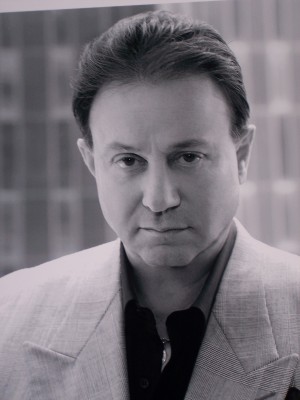
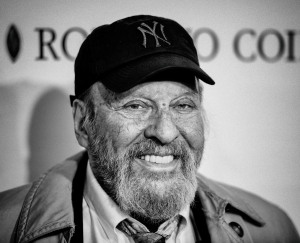
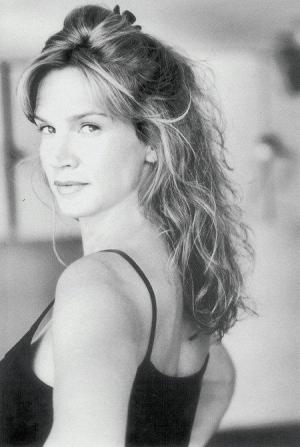
शीर्ष कलाकार(18)
Robert De Niro
James Conway
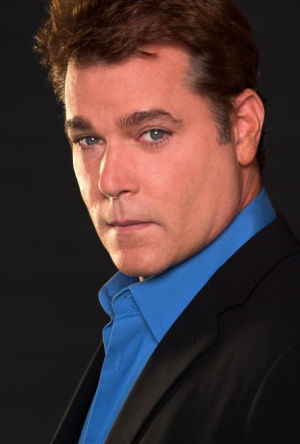
Ray Liotta
Henry Hill
Joe Pesci
Tommy DeVito
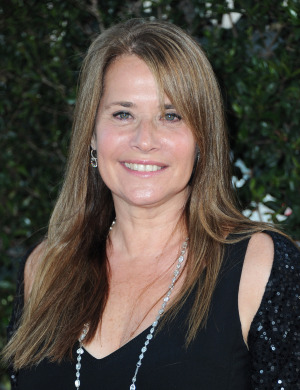
Lorraine Bracco
Karen Hill
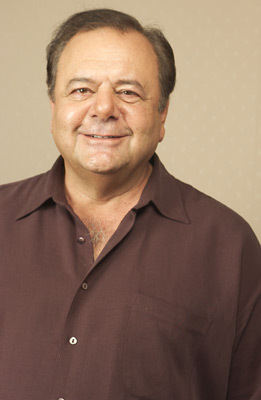
Paul Sorvino
Paul Cicero
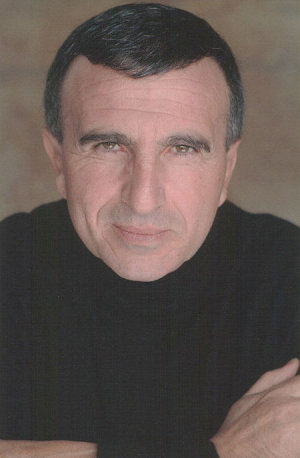
Frank Sivero
Frankie Carbone
Tony Darrow
Sonny Bunz
Mike Starr
Frenchy
Frank Vincent
Billy Batts
Chuck Low
Morris Kessler
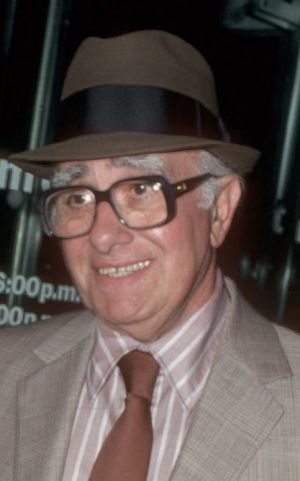
Frank DiLeo
Tuddy Cicero
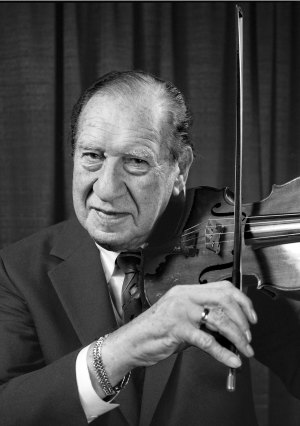
Henny Youngman
Henny Youngman
Gina Mastrogiacomo
Janice Rossi
Catherine Scorsese
Tommy's Mother
Charles Scorsese
Vinnie
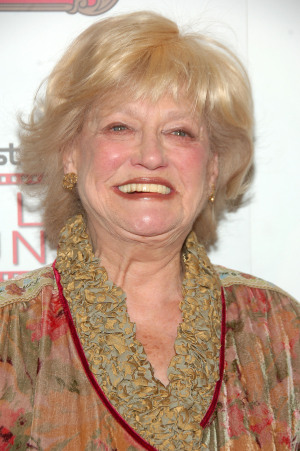
Suzanne Shepherd
Karen's Mother
Debi Mazar
Sandy
Margo Winkler
Belle Kessler
उपयोगकर्ता समीक्षा
सञ्जु पाठक
13/03/2026 04:33
Goodfellas
Huero
02/12/2025 02:18
je peux avoir la VF des affranchis
😤😤😤
28/10/2025 18:07
mmem
PRhjbu
12/10/2025 00:14
les Affranchis VF
Chigozirim Ferdinand
23/06/2025 22:56
ONE OF THE BEST GANGSTER MOVIES EVER WATCHED.
bitaniya
18/06/2025 15:19
GoodFellas_360P
Dounia Mansar
30/05/2023 01:14
GoodFellas_720p(480P)
Nino Brown B Plus
29/05/2023 20:46
source: GoodFellas
Pearl
15/02/2023 10:22
Goodfellas
Danny Wilson
15/02/2023 09:38
Spoilers herein.
Competent filmmakers are rare -- there is no doubt that Scorsese is competent and should be celebrated on that score alone.
But his films are empty. They take you into a gangsterland (even `Temptation,' even `Innocence') and snap along until they end and then you leave. But you leave with nothing, and I expect more from a competent filmmaker.
The problem -- I speculate -- is the degree to which Scorsese is locked in the Italian tradition of storytelling and its 60's incarnation in neo-realistic films. This is a matter of performance, where the force of the story is all in the force of the storyteller. The performer here is Scorsese. His screen persona is epitomized in the Pesci character: driving, driving the group by pressing on. By speaking over others. By showing the threat of violence.
There's power here. It grabs your attention like Pesci grabs that of the fellas. I can see Scorsese constantly saying to himself that he'd be nuts to live any other way. But aside from some storytelling mechanics, there are no ideas here, no ambiguities, no interesting characters, no plot maturity, no symmetries, nothing to wonder about and discuss on your way home.
But we should salute some of the decisions. Scorsese chooses to frame the film as a story told by the Liotta character. (He plays an Irishman, but looks and acts Italian.) Narrative voiceovers. A clever framing device with us locked in the car at midway through and mirrored in the beginning. The end with Liotta looking directly and speaking into the camera and shooting us.
And the camera. Much has been said of the camera. The long, tracking shots, especially the much-copied entrance through the kitchen. The pullback-zoom toward the end when Liotta and DeNiro meet. The occasional corner ceiling shot. Normally I would love this, especially since it is in the framework of a consistent notion of the eye. What bothers me is what that eye is: it is dependent on the characters.
The characters drive this movie and pull the camera. Consider the kitchen entry scene: the camera is on a string behind Liotta. We follow, always follow, just as the fellas at Pesci's table have to follow his prattling. Compare that to dePalma's similar long tracking shot of Bruce Willis at the start of `Bonfire of the Vanities.' DePalma's camera isn't dragged along behind by the force of Willis. It floats to the front, the side, swooping around, independently curious. We the viewers are masters of the story. It's the difference between the northern and southern European storytelling traditions.
Seeing how little deference the camera gives us really grates when the payoff is so slight. It makes DeNiro pretty hard to take. Yes, we all get impressed by the power of his performance. But it is always clear that it is a performance: we are not seeing a character but a `serious actor,' employed as a tractor to pull us along.
Is this a great film? Well, it did not change my life, give my dreams new form, or provide the basis for any meaningful discussion with my wife. It didn't help me define myself or my world. It provided no new perspectives on the things I struggle with. (And many, many films do one or more of these things.) So for me no.
What a waste.
उपयोगकर्ता समीक्षा
सञ्जु पाठक
13/03/2026 04:33
Goodfellas
Huero
02/12/2025 02:18
je peux avoir la VF des affranchis
😤😤😤
28/10/2025 18:07
mmem
PRhjbu
12/10/2025 00:14
les Affranchis VF
Chigozirim Ferdinand
23/06/2025 22:56
ONE OF THE BEST GANGSTER MOVIES EVER WATCHED.
bitaniya
18/06/2025 15:19
GoodFellas_360P
Dounia Mansar
30/05/2023 01:14
GoodFellas_720p(480P)
Nino Brown B Plus
29/05/2023 20:46
source: GoodFellas
Pearl
15/02/2023 10:22
Goodfellas
Danny Wilson
15/02/2023 09:38
Spoilers herein.
Competent filmmakers are rare -- there is no doubt that Scorsese is competent and should be celebrated on that score alone.
But his films are empty. They take you into a gangsterland (even `Temptation,' even `Innocence') and snap along until they end and then you leave. But you leave with nothing, and I expect more from a competent filmmaker.
The problem -- I speculate -- is the degree to which Scorsese is locked in the Italian tradition of storytelling and its 60's incarnation in neo-realistic films. This is a matter of performance, where the force of the story is all in the force of the storyteller. The performer here is Scorsese. His screen persona is epitomized in the Pesci character: driving, driving the group by pressing on. By speaking over others. By showing the threat of violence.
There's power here. It grabs your attention like Pesci grabs that of the fellas. I can see Scorsese constantly saying to himself that he'd be nuts to live any other way. But aside from some storytelling mechanics, there are no ideas here, no ambiguities, no interesting characters, no plot maturity, no symmetries, nothing to wonder about and discuss on your way home.
But we should salute some of the decisions. Scorsese chooses to frame the film as a story told by the Liotta character. (He plays an Irishman, but looks and acts Italian.) Narrative voiceovers. A clever framing device with us locked in the car at midway through and mirrored in the beginning. The end with Liotta looking directly and speaking into the camera and shooting us.
And the camera. Much has been said of the camera. The long, tracking shots, especially the much-copied entrance through the kitchen. The pullback-zoom toward the end when Liotta and DeNiro meet. The occasional corner ceiling shot. Normally I would love this, especially since it is in the framework of a consistent notion of the eye. What bothers me is what that eye is: it is dependent on the characters.
The characters drive this movie and pull the camera. Consider the kitchen entry scene: the camera is on a string behind Liotta. We follow, always follow, just as the fellas at Pesci's table have to follow his prattling. Compare that to dePalma's similar long tracking shot of Bruce Willis at the start of `Bonfire of the Vanities.' DePalma's camera isn't dragged along behind by the force of Willis. It floats to the front, the side, swooping around, independently curious. We the viewers are masters of the story. It's the difference between the northern and southern European storytelling traditions.
Seeing how little deference the camera gives us really grates when the payoff is so slight. It makes DeNiro pretty hard to take. Yes, we all get impressed by the power of his performance. But it is always clear that it is a performance: we are not seeing a character but a `serious actor,' employed as a tractor to pull us along.
Is this a great film? Well, it did not change my life, give my dreams new form, or provide the basis for any meaningful discussion with my wife. It didn't help me define myself or my world. It provided no new perspectives on the things I struggle with. (And many, many films do one or more of these things.) So for me no.
What a waste.
Disclaimer: All videos and pictures on MovieBox are from the Internet, and their copyrights belong to the original creators. We only provide webpage services and do not store, record, or upload any content.


 बिना रुकावट फिल्में और शो देखें
 अपना पसंदीदा कंटेंट डाउनलोड करो ताकि ऑफ़लाइन देख सको
 सिंपल इंटरफ़ेस & स्मूथ परफॉर्मेंस
























'%3e%3cpath%20id='Vector'%20d='M17.3996%2025.7999C17.3996%2025.9838%2017.3634%2026.1658%2017.293%2026.3357C17.2227%2026.5055%2017.1196%2026.6598%2016.9896%2026.7899C16.8596%2026.9199%2016.7052%2027.023%2016.5354%2027.0933C16.3655%2027.1637%2016.1835%2027.1999%2015.9996%2027.1999C15.8158%2027.1999%2015.6337%2027.1637%2015.4639%2027.0933C15.294%2027.023%2015.1397%2026.9199%2015.0097%2026.7899C14.8797%2026.6598%2014.7765%2026.5055%2014.7062%2026.3357C14.6358%2026.1658%2014.5996%2025.9838%2014.5996%2025.7999C14.5996%2025.4286%2014.7471%2025.0725%2015.0097%2024.81C15.2722%2024.5474%2015.6283%2024.3999%2015.9996%2024.3999C16.3709%2024.3999%2016.727%2024.5474%2016.9896%2024.81C17.2521%2025.0725%2017.3996%2025.4286%2017.3996%2025.7999Z'%20fill='white'/%3e%3cpath%20id='Union'%20fill-rule='evenodd'%20clip-rule='evenodd'%20d='M8.5%204H23.5C24.0523%204%2024.5%204.44772%2024.5%205V21.5H7.5V5C7.5%204.44772%207.94772%204%208.5%204ZM5.5%2022.5V5C5.5%203.34315%206.84315%202%208.5%202H23.5C25.1569%202%2026.5%203.34315%2026.5%205V22.5V27C26.5%2028.6569%2025.1569%2030%2023.5%2030H8.5C6.84315%2030%205.5%2028.6569%205.5%2027V22.5ZM24.5%2023.5V27C24.5%2027.5523%2024.0523%2028%2023.5%2028H8.5C7.94772%2028%207.5%2027.5523%207.5%2027V23.5H24.5Z'%20fill='white'/%3e%3cpath%20id='Union_2'%20fill-rule='evenodd'%20clip-rule='evenodd'%20d='M17%209C17%208.44772%2016.5523%208%2016%208C15.4477%208%2015%208.44772%2015%209V13.8258L13.1508%2012.2407C12.7315%2011.8813%2012.1002%2011.9299%2011.7408%2012.3492C11.3813%2012.7685%2011.4299%2013.3998%2011.8492%2013.7593L15.345%2016.7556C15.5205%2016.9079%2015.7495%2017%2016%2017C16.2506%2017%2016.4796%2016.9079%2016.6551%2016.7556L20.1508%2013.7593C20.5701%2013.3998%2020.6187%2012.7685%2020.2593%2012.3492C19.8999%2011.9299%2019.2686%2011.8813%2018.8492%2012.2407L17%2013.8258V9Z'%20fill='white'/%3e%3c/g%3e%3c/svg%3e)